
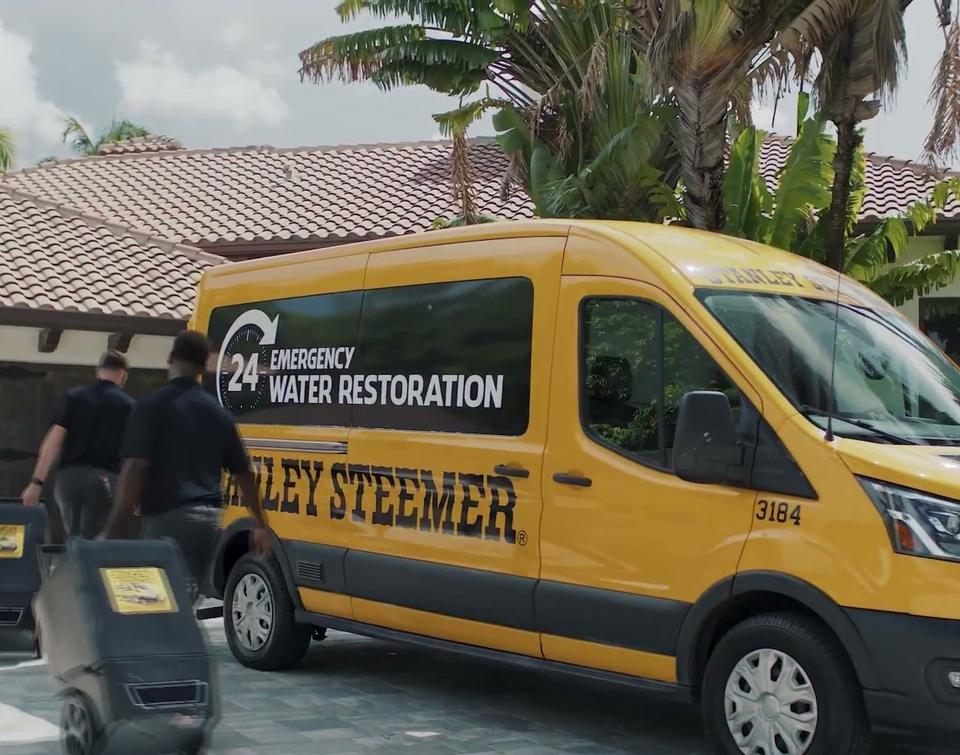
24/7 Water Damage Restoration in South Florida
Leaks and floods don't wait, and neither do we.
We're here 24/7 to extract water fast, dry everything out, and help you avoid lasting damage. Call (888) 700-4894, any hour.
Water Damage: What to Do First
- Call (888) 700-4894. The emergency line is answered 24 hours a day, 7 days a week.
- Stop the water if you can. Shut the main valve, or the valve at the leaking fixture or appliance.
- Turn off power to wet rooms at the breaker, if you can reach it without standing in water.
- Move what you can off the wet floor: rugs, electronics, papers and furniture with wood or metal legs.
- Take photos of the water and the damage before cleanup starts, for your insurance claim.
Fast Removal Before Mold Takes Hold
A burst pipe, failed appliance, or storm surge gives you a small window before standing water becomes structural damage and a mold problem. Our crews arrive with truck-mounted extraction equipment, pull the water out, set up structural drying, and document everything for your insurance claim from the first visit.
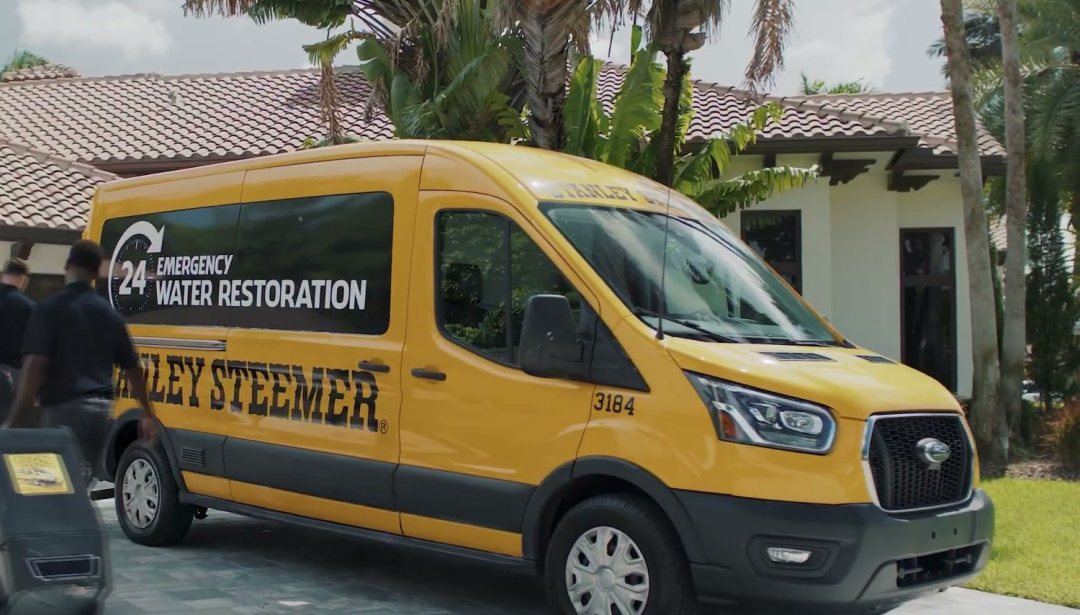
The 24/7 emergency line covers Miami-Dade, Broward, Palm Beach and the Treasure Coast.
Truck-Mounted Extraction
Standing water removed fast, before it soaks into subfloors and drywall.
Structural Drying
Industrial air movers and dehumidifiers dry the structure, not just the surface.
Insurance Documentation
Photos and moisture readings logged from the first visit for your claim.
Smoke, Soot & Odor Removal That Actually Works
Fire damage rarely stays where the flames were. Smoke and soot travel through HVAC systems and settle into carpet, upholstery, and ductwork, leaving an odor that lingers long after the visible damage is gone. Our remediation addresses the source, not just the smell, including the air duct cleaning that keeps soot from recirculating.
- Soot and smoke residue removal from surfaces, carpet, and upholstery
- Air duct cleaning to stop soot from recirculating through the HVAC system
- Odor treatment that targets the source, not a temporary cover-up

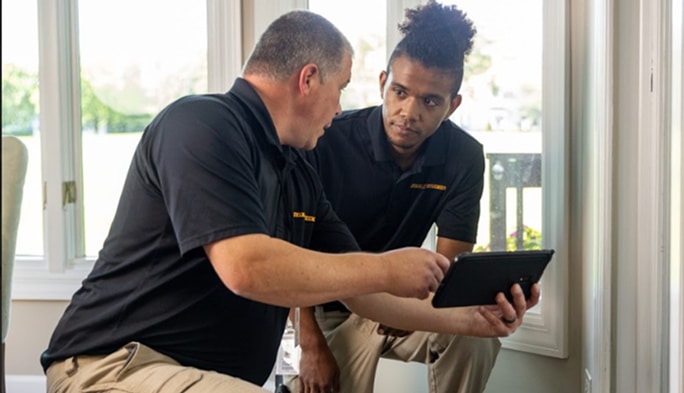
Containment & Removal
South Florida's humidity means mold can start within 24 to 48 hours of any water intrusion, hidden behind walls or under flooring long before it's visible. Call for the free in-person inspection: the area is contained before removal, and air duct cleaning is available where mold has reached the HVAC system.
- Containment before removal, to keep spores from spreading
- Safe removal from walls, flooring, and hidden cavities
- Air duct cleaning available where mold has reached the HVAC system
What Water Damage Restoration Costs
Restoration is not priced until someone has seen the damage: how far the water went, what it soaked into, and what has to come out. That is why the first step is a free in-person inspection.
Many water, fire and mold losses go through homeowners insurance. Photograph the damage before anything is moved, call your insurer, and keep receipts for anything you have to replace.
Inspections are free. All offers
- 24/7
- The emergency line is answered any hour: (888) 700-4894.
- Free
- in-person inspection for water, fire and mold damage.
- Insurance
- Photograph everything before it is moved, then call your insurer.
Water, Fire and Mold Damage, Step by Step
Which kind of damage you have, what happens after you call, and what to do before the crew arrives.
Signs It Needs a Professional
- Water past the floor: drywall, baseboards or cabinets
- Soot or a smoke smell that airing out does not fix
- A musty smell or spots near AC closets and bathrooms
- Water came in from outside after a storm
- Damage in more than one room
What Happens After You Call
- The emergency line is answered 24/7
- Someone sees the damage in person, free
- You get a plan and a price before work starts
- Water is extracted and everything is dried out
Before the Crew Arrives
- Stop the water at the source or the main if you can
- Stay out of standing water and keep power off in wet rooms
- Photograph everything before it is moved
- Call your insurer and keep receipts
Water Damage in South Florida
Where water damage here usually comes from, and what to do about each source.
Hurricane and Rainy Season
Storm surge, wind-driven rain and roof leaks bring water in fast. South Florida's wet season runs from mid-May to mid-October, and hurricane season from June 1 to November 30. Know where your water main is and photograph your rooms before the season starts, so you have a record if you need to file a claim.
AC Drain Lines
A clogged air conditioner condensate line is a common source of water damage here. The drain pan overflows into the closet, the ceiling or the floor, often with no sign until the stain appears. Flush the line on a schedule and check the pan.
Slab Homes and Leaks Under Tile
Many homes here sit on a concrete slab, so a leak may show up first as a wet baseboard, a damp spot in the carpet or loose tile rather than a drip. Treat those signs as a leak until proven otherwise.
Condos: Water From Above
In a condo the water often comes from the unit above or a shared line. Call the association as well as your own insurer, and photograph the damage in your unit before anything is moved.
A Homeowner's Guide to Water Damage
How bad it is, what restoration means, and how to protect your claim.
In this guide
Clean Water, Gray Water and Black Water
Restoration work sorts water by what it carries. Clean water comes from a supply line or a faucet. Gray water, such as a washing machine or dishwasher overflow, carries some contamination. Under the IICRC S500 standard, Category 3 water is grossly contaminated: sewage, seawater flooding and rising water from rivers or streams. Porous materials it soaks usually have to be removed.
Storm water is not automatically Category 3. Wind-driven rain and water coming in from the roof are judged by inspection, which is one more reason the first step is someone seeing the damage in person.
What Restoration Includes
Standing water is extracted, wet materials are assessed and either dried or removed, and the structure is dried out to help avoid lasting damage. It starts with a free in-person inspection, because nothing can be priced until someone has seen how far the water went.
Can Water Damage Be Repaired?
Usually, if it is dried quickly. Drywall that has been wet for more than a day or two, swollen particleboard cabinets and soaked carpet pad often have to be replaced. Solid wood and tile usually recover once dry. The longer water sits, the more has to come out.
How to Tell If It Is Permanent
Warping or cupping that does not settle after drying, crumbling drywall, staining that keeps spreading, a musty smell that stays, and visible growth all point to damage that needs replacement, not drying.
Protecting Your Insurance Claim
Photograph and video every room before anything is moved. Stop the source if you can. Call your insurer and write down the claim number. Keep damaged items until the adjuster says they can go, and keep every receipt for emergency work, hotels and replacements.
What the Research Says
- 24 to 48 hrs
is how fast EPA says water-damaged areas and items should be dried to prevent mold growth. Source: U.S. EPA
- Category 3
Under IICRC S500, sewage, seawater flooding and rising water from rivers or streams are grossly contaminated water. Storm and wind-driven rain are not automatically Category 3. Source: IICRC
- June 1 to Nov 30
is the Atlantic hurricane season. Source: NOAA National Hurricane Center
- Most
homeowners and renters policies do not cover flood damage; that takes separate flood insurance. Source: FloodSmart (FEMA)
Ask a Question or Request a Quote
Send it here and the office calls or texts you back. For water, fire or mold damage, call (888) 700-4894 now. The emergency line is answered 24 hours a day.
Water, Fire & Mold: What to Know Right Now
Answers for the moment you actually need them.
Anything else? Call (888) 700-4894 and the office will answer it.
If it's safe, shut off the water source at the valve or main, move valuables and electronics out of the water, and call us at (888) 700-4894. Don't run your HVAC system if you suspect smoke or heavy mold contamination, since it can spread the problem through the ductwork.
Our line is answered 24 hours a day, 7 days a week, including holidays. Response time depends on your location and current call volume, but active leaks and flooding are always prioritized first.
Most homeowner policies cover sudden water and fire damage, though mold coverage varies by policy and cause. We document the damage thoroughly from the first visit, which your adjuster will need either way.
Yes. We provide photo documentation and moisture or damage readings that your adjuster can use to process the claim.
It depends on how far the water spread and what it soaked into, so it is priced after a free in-person inspection. Many losses go through homeowners insurance.
Sudden leaks often are, and slow leaks and flood water often are not. Flood is usually a separate policy. Call your insurer and photograph the damage before anything is moved.
Water Damage Restoration Across South Florida
Booked for all 39 cities we serve in Miami-Dade, Broward, Palm Beach and the Treasure Coast. The nearest office: Opa-locka for Miami-Dade, Dania Beach for Broward, Delray Beach for Palm Beach. Each city page lists it with its Google rating.
Miami-Dade
Broward
Palm Beach
Treasure Coast
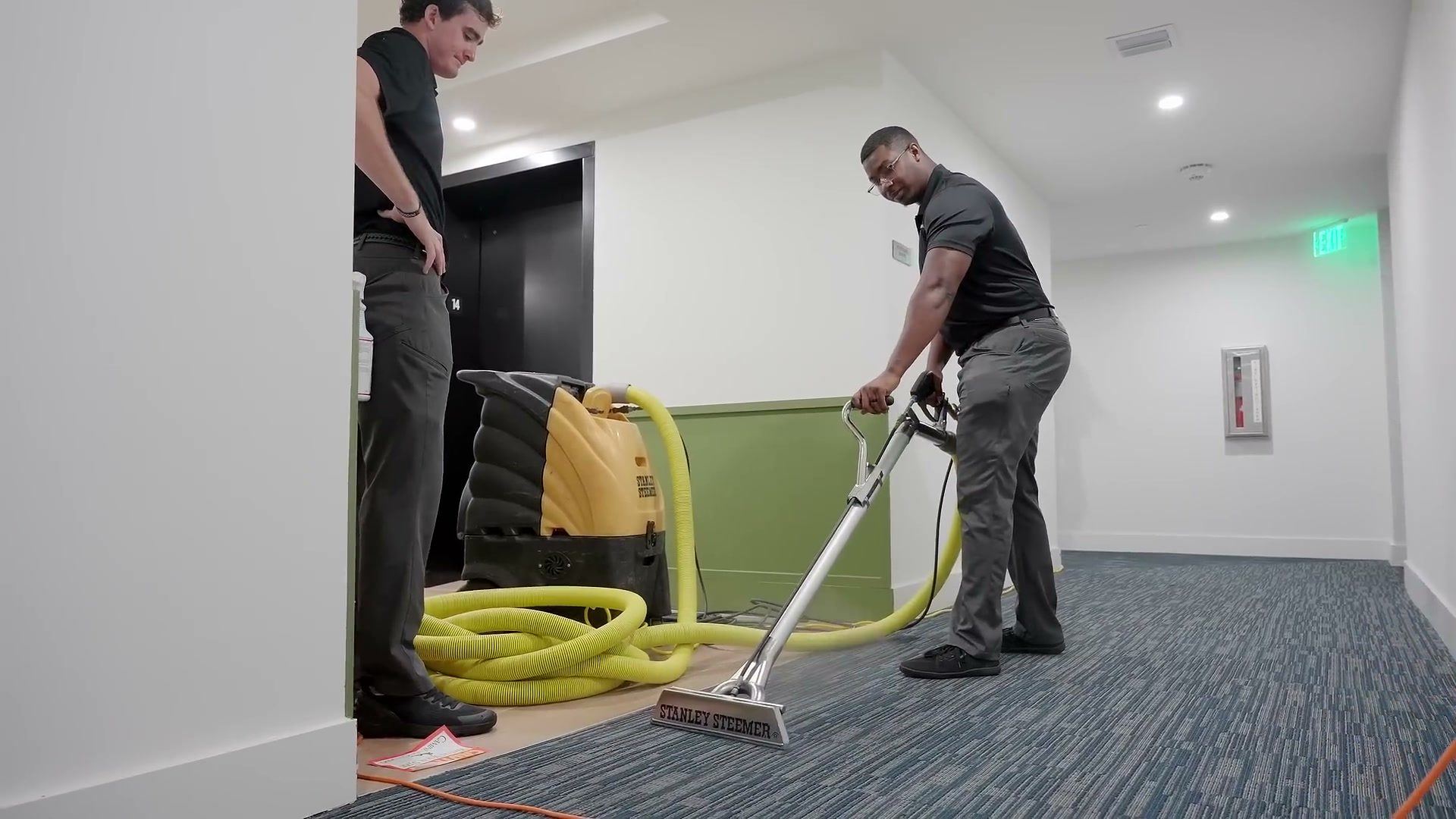
Water, Fire or Mold Damage?
Call (888) 700-4894. The emergency line is answered 24 hours a day, 7 days a week.