
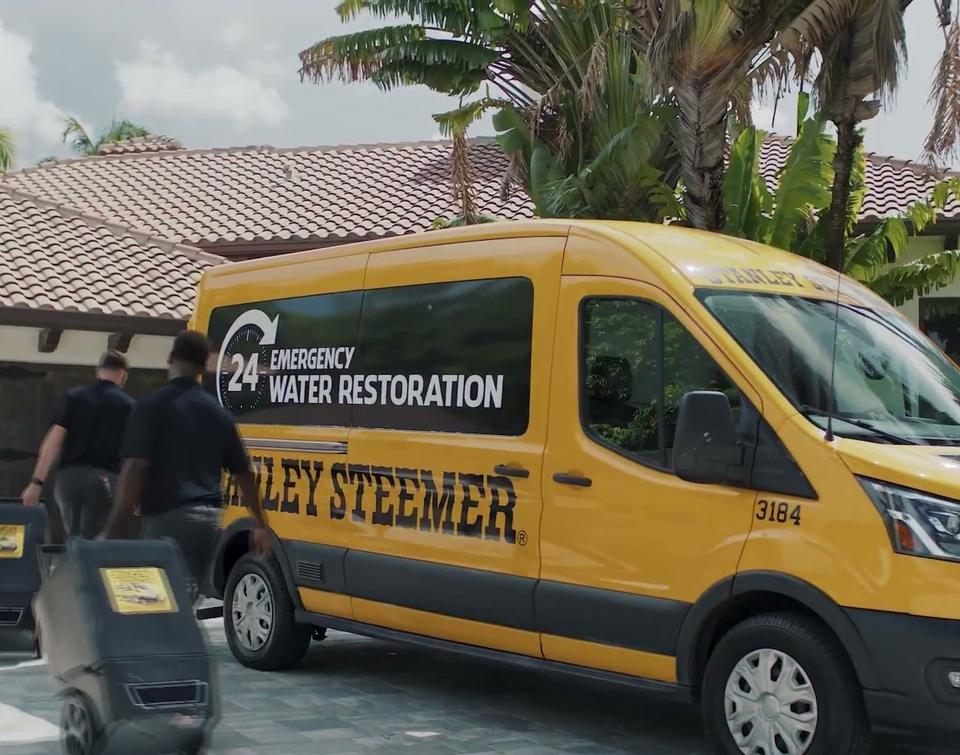
Fire Damage Restoration in South Florida
Soot and smoke odor removal after a fire.
Smoke residue is acidic and it keeps eating into surfaces long after the fire is out. Every hour it sits, more of what could have been cleaned becomes something that has to be replaced.
Speed Decides How Much You Keep
Soot is not just dirty, it is corrosive. It etches glass and metal, discolors grout and stone, and drives odor deep into porous material like carpet, drywall and upholstery. The difference between a restorable contents list and a replacement list is often measured in days. Fire inspections are free and done in person, so the first step is a call.
- Free in-person fire and smoke inspection
- Water damage extraction too, since most fires leave water behind
- 24/7 emergency line: (888) 700-4894
What to Do After a Fire
Your price is confirmed before work starts, with no hidden fees.
Wait for the All-Clear
Do not go back in until the fire department releases the property.
Call Your Insurer
Start the claim early, and photograph the damage before anything is cleaned or thrown out.
Leave the Soot Alone
Wiping soot smears it deeper into porous surfaces, so leave it for the cleanup.
Book the Free Inspection
Call (888) 700-4894. Fire inspections are free and done in person.
What Fire Damage Restoration Costs
Restoration is not priced until someone has seen the damage: how far the water went, what it soaked into, and what has to come out. That is why the first step is a free in-person inspection.
Many water, fire and mold losses go through homeowners insurance. Photograph the damage before anything is moved, call your insurer, and keep receipts for anything you have to replace.
Inspections are free. All offers
- 24/7
- The emergency line is answered any hour: (888) 700-4894.
- Free
- in-person inspection before anything is priced.
- Insurance
- Photograph everything before it is moved, then call your insurer.
Fire and Smoke Damage, Step by Step
What smoke does after the fire is out, what happens after you call, and what to do first.
Signs It Needs a Professional
- Soot on walls, ceilings or vents
- A smoke smell that stays after airing the house out
- Water damage from putting the fire out
- Discolored grout, fixtures or countertops
- Smoke that reached rooms far from the fire
What Happens After You Call
- The office books a free in-person inspection
- Someone sees the soot, smoke and water damage
- You get a plan and a price before work starts
- Soot and smoke odor are cleaned and water is dried out
Before the Crew Arrives
- Wait for the fire department's all-clear before going in
- Do not wipe soot; it smears and sets
- Photograph every room before anything is moved
- Call your insurer and keep receipts
Fire and Smoke Damage in South Florida
What happens to a home after a fire here, beyond the burned area.
Smoke Travels Through the AC
Smoke spreads through the return and the ducts, so rooms far from the fire can be coated in residue. Keep the AC off until the system has been checked; see air duct cleaning.
Water From Putting It Out
Firefighting water soaks carpet, drywall and cabinets, and in this humidity it does not dry on its own. Treat it as water damage at the same time as the soot.
Humidity Brings the Smell Back
Smoke residue in porous surfaces releases odor on warm, humid days. A house can seem fine for a week and then smell again until the residue is cleaned out.
Insurance Records
Photograph every room before anything is moved or thrown out, list damaged items as you go, and keep every receipt. Your insurer will ask for all three.
A Homeowner's Guide to Fire and Smoke Damage
What smoke does, what can be saved, and what to do first.
In this guide
Why Smoke Damage Spreads
Smoke moves through the house with the air, through doorways, returns and ducts, and settles on cooler surfaces far from the fire. That is why a small kitchen fire can leave residue in every room and a smell that comes back on humid days.
Soot Is Not Dust
Soot is oily and acidic. Wiping it smears it into surfaces, and leaving it lets it discolor grout, fixtures and countertops over time. Do not wipe it or vacuum it with a household vacuum; leave it until it can be cleaned properly.
The Water Comes Too
Firefighting leaves water in carpet, drywall and cabinets. In South Florida humidity it will not dry on its own, so fire damage is also water damage and mold risk. Both need to be dealt with together; see water damage restoration.
What to Keep and What to Throw Out
Metal, glass and hard sealed surfaces often clean up. Upholstery, mattresses and clothing depend on how much smoke they took. Food, medicine and cosmetics exposed to heat, smoke or soot should be thrown out. Photograph everything before it goes.
Working With Your Insurer
Call your insurer right away and get a claim number. Photograph every room, list damaged items as you go, and keep receipts for anything you buy or pay for while the home is being restored.
What the Research Says
- 24 to 48 hrs
is how fast EPA says water-damaged areas and items should be dried to prevent mold growth. Source: U.S. EPA
- June 1 to Nov 30
is the Atlantic hurricane season. Source: NOAA National Hurricane Center
Ask a Question or Request a Quote
Send it here and the office calls or texts you back. For water, fire or mold damage, call (888) 700-4894 now. The emergency line is answered 24 hours a day.
Questions About Fire and Smoke Remediation
Anything else? Call (888) 700-4894 and the office will answer it.
As soon as the property is released. Soot residue is acidic and keeps damaging surfaces, so the delay is what turns restorable items into replacements.
Often, when it is treated at depth in the porous materials holding it. Surface cleaning and air fresheners do not get there.
Water damage repair and extraction is on the service list. Fires are almost always followed by water from firefighting, so mention it when you call.
Call your insurance company as soon as you can, and photograph the damage before anything is cleaned or thrown out. Your adjuster will tell you what they need from the contractor.
It is priced after a free in-person inspection, because the cost depends on how far smoke and water reached. Most fire losses go through homeowners insurance.
Smoke residue works into porous surfaces and the HVAC system. Until it is cleaned out, warm or humid days bring the smell back.
Yes, once the residue causing it is cleaned out of the surfaces, the fabrics and the HVAC system. Airing the house out or covering the smell only works until the next humid day.
Homeowners policies generally cover sudden fire and smoke damage. Photograph everything, call your insurer before work starts, and keep receipts.
Much of it can. Soot and smoke residue can be cleaned from many surfaces and the water used to put the fire out can be dried. Burned structure is rebuilt by a contractor once the cleanup is done.
The work after a fire: removing soot and smoke residue, getting rid of the odor, drying the water from firefighting, and getting the home ready for repairs.
Hard, nonporous items such as metal, glass and sealed hard surfaces often clean up. Porous items depend on how much smoke and heat they took. Throw out food, medicine and cosmetics that were exposed to heat, smoke or soot.
From days for a small kitchen fire to weeks for a larger one. The free inspection gives you a timeline before work starts.
Explore Our Other Residential Services
Fire Damage Restoration Across South Florida
Booked for all 39 cities we serve in Miami-Dade, Broward, Palm Beach and the Treasure Coast. The nearest office: Opa-locka for Miami-Dade, Dania Beach for Broward, Delray Beach for Palm Beach. Each city page lists it with its Google rating.
Miami-Dade
Broward
Palm Beach
Treasure Coast
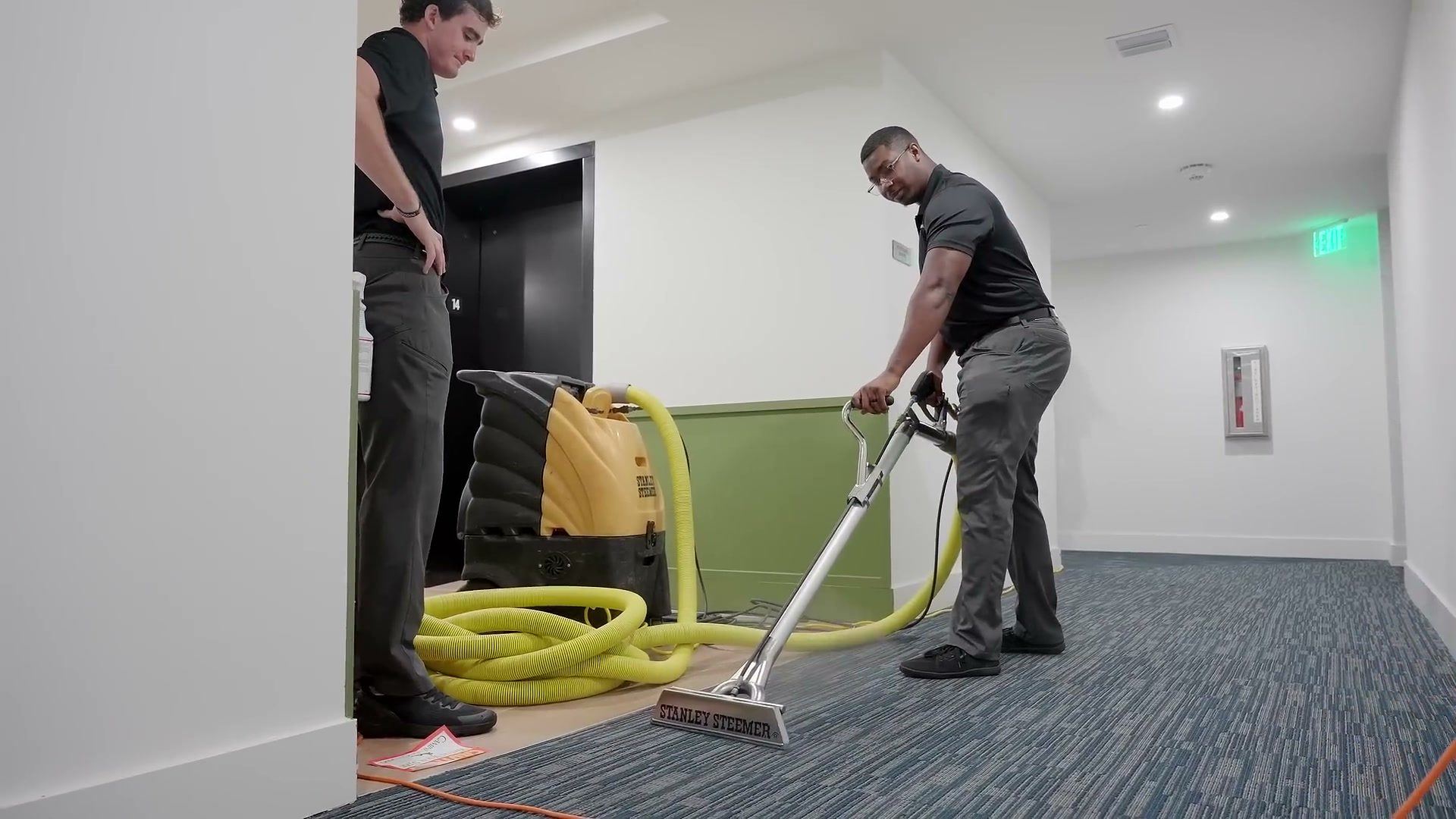
Fire or smoke damage? Call (888) 700-4894.
The emergency line is answered 24 hours a day, 7 days a week.