
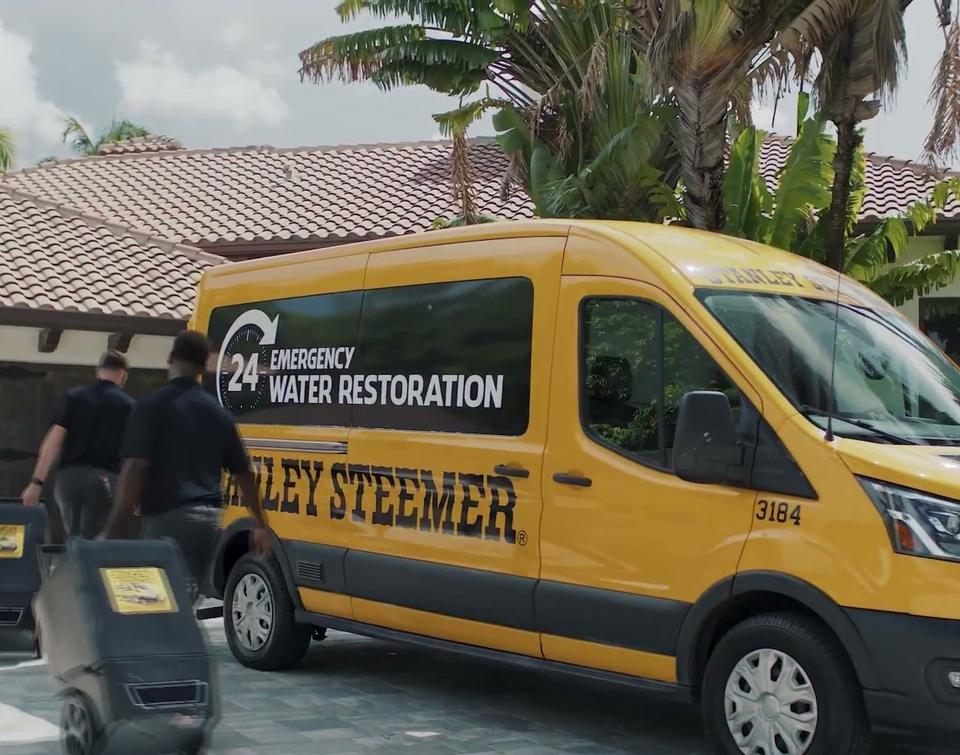
Mold Remediation & Removal in South Florida
Mold remediation that starts with a free in-person inspection.
A slow supply line behind a wall, a running air conditioner in a closed-up house, a roof leak nobody noticed. South Florida gives mold everything it needs year round, and by the time you can smell it, it has been growing a while.
Disturbing Mold Spreads It Through the House
The most common mistake is opening up a mold-affected area without containing it. Disturbing growth puts spores into the air, the air handler picks them up, and a problem in one room becomes a problem in every room the system serves. That is why the extent of the growth has to be seen in person before anything is opened up. Water, fire and mold inspections are free and done in person.
- Free in-person mold inspection
- Mold remediation for homes and businesses
- 24/7 emergency line: (888) 700-4894
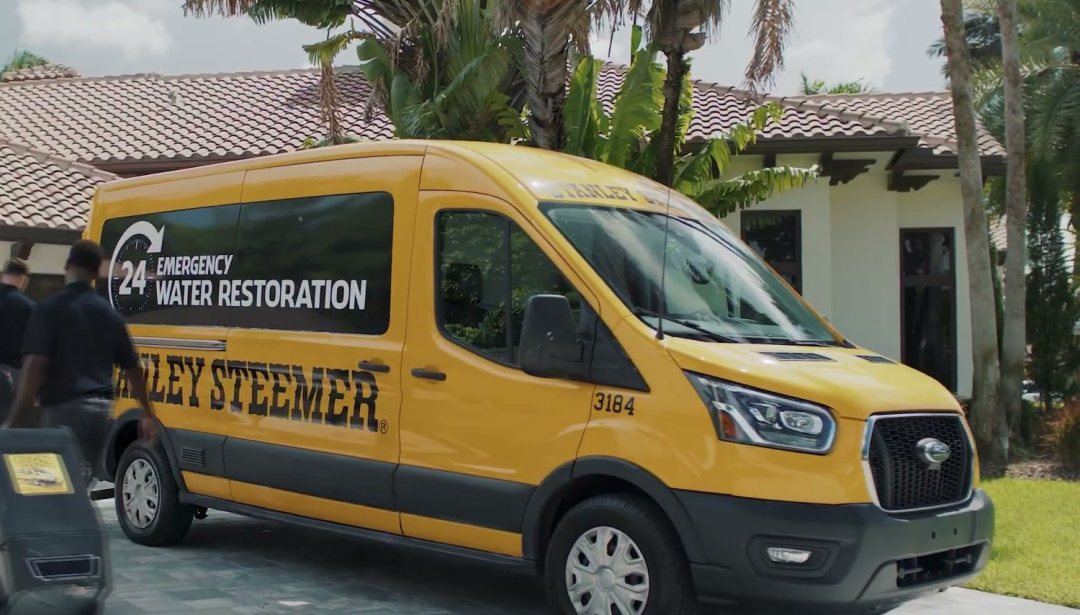
What to Do About Mold
Your price is confirmed before work starts, with no hidden fees.
Leave It Alone
Do not scrub, sand or tear out moldy material yourself. Disturbing it sends spores through the house.
Find the Water
Mold follows moisture. Note any leak, drip or damp spot nearby, and have a plumber or roofer fix the source.
Photograph It
Take photos of the growth and any water stains nearby, for your records and your insurer.
Book the Free Inspection
Call (888) 700-4894. Mold inspections are free and done in person.
What Mold Remediation Costs
Mold is not priced until someone has seen how far it has spread and what is feeding it. That is why the first step is a free in-person inspection.
Removing mold without fixing the moisture behind it means it comes back, so look for the source too: a leak, a clogged AC drain line, or a house closed up with the air off.
Inspections are free. All offers
- Free
- in-person inspection before anything is priced.
- Source first
- Mold returns unless the moisture behind it is fixed.
- Do not disturb
- Scrubbing or sanding mold yourself spreads it through the house.
Mold Remediation, Step by Step
What to look for, what happens after you call, and what not to do before the inspection.
Signs It Needs a Professional
- A musty smell that comes back after cleaning
- Spots on drywall, baseboards or ceilings, especially near AC closets
- Recent leaks, roof damage or a flood
- Peeling paint or warped trim in bathrooms
- Growth that returns after you bleach it
What Happens After You Call
- The office books a free in-person inspection
- Someone sees the growth in person, free
- You get a plan and a price before work starts
- Remediation follows on the schedule you agree
Before the Crew Arrives
- Do not scrub, sand or bleach large areas
- Keep doors to the affected rooms closed
- Fix or stop any active leak if you can
- Photograph what you see for your records and your insurer
Mold in South Florida
Humidity is constant here, so mold is about moisture you can control.
Closed-Up Seasonal Homes
A home that sits closed for the summer with the AC off or set too high can grow mold in weeks. If you leave for the season, keep the AC running and set to hold humidity down, and have someone check the house.
AC Closets and Drain Lines
The air handler closet is a common place for mold to start, because the drain pan and condensate line keep it damp. A musty closet is worth a look before it spreads into the ducts; see air duct cleaning.
Leaks You Cannot See
Slow leaks inside walls, under sinks and around windows feed mold out of sight. A musty smell with no visible growth often means a hidden leak.
After Water Damage
Mold can start within a day or two of a leak or flood if wet materials are not dried. Fast extraction and drying is the best prevention; see water damage restoration.
A Homeowner's Guide to Mold
What it needs, what not to do, and how to keep it from coming back.
In this guide
What Mold Needs
Mold needs moisture and something to grow on, and drywall paper, wood, carpet backing and dust all qualify. South Florida supplies the humidity, so the part you control is water: leaks, condensation and damp air.
Mold or Mildew?
Mildew is a surface growth, usually gray or white, on shower grout, caulk and window sills, and it wipes off. Mold that is black, green or fuzzy, that comes back after cleaning, or that is on drywall or wood has usually gone deeper.
Why Bleach Is Not the Answer
Bleach can whiten mold on a hard surface without killing what has grown into a porous one, and it adds moisture. Scrubbing and sanding release spores into the air and through the AC. For anything beyond a small spot, get the free inspection first.
Keeping It From Coming Back
Fix the leak or the moisture source, keep the AC running and set to control humidity, run bathroom fans, flush the AC drain line, and dry any water damage quickly. Removal without fixing the moisture means it returns.
What the Research Says
- 10 sq ft
EPA says a moldy area smaller than about 10 square feet can usually be cleaned by the homeowner; larger areas call for a professional. Source: U.S. EPA
- Below 60%
is the indoor humidity EPA recommends, ideally 30 to 50%, to keep mold from growing. Source: U.S. EPA
- 24 to 48 hrs
is how fast EPA says water-damaged areas and items should be dried to prevent mold growth. Source: U.S. EPA
- 73%
is the normal average relative humidity at Miami International Airport, 83% at 7 a.m. Source: NOAA
Ask a Question or Request a Quote
Send it here and the office calls or texts you back. For water, fire or mold damage, call (888) 700-4894 now. The emergency line is answered 24 hours a day.
Questions About Mold Remediation
Anything else? Call (888) 700-4894 and the office will answer it.
Yes, and it is free and done in person. The extent of mold is not something anyone can responsibly estimate from a photograph.
On a hard, non-porous surface, sometimes. On drywall or anything porous, bleach treats the surface and leaves the growth in the material underneath, and disturbing it spreads spores.
It can. An air handler running while moldy material is disturbed carries spores to every room on the system, which is why the area should be left alone until it has been inspected.
The emergency line, (888) 700-4894, is answered 24 hours a day, 7 days a week. Mold follows water, so the faster the moisture is dealt with, the smaller the job stays.
It is priced after a free in-person inspection, because the cost depends on how far the growth has spread and what is behind it.
People search for both. Remediation means dealing with the growth and the moisture causing it, so it does not come straight back. Removal on its own often misses the source.
A musty smell that comes back, visible spots on drywall, ceilings or caulk, peeling paint or warped trim near water, and a recent leak or flood are the common signs. A free in-person inspection tells you how far it has gone.
Small areas on hard surfaces can be cleaned with care. Larger areas, mold inside walls, or mold after a flood are worth an inspection first, because scrubbing or sanding mold spreads it through the house.
Almost always. Mold is removed from the areas it has grown in and the moisture source is fixed. What has to be replaced depends on how far it spread, which is what the free inspection tells you.
Generally: the growth and the moisture source are found, the affected area is kept from spreading spores to the rest of the house, damaged materials are removed or cleaned, and the area is dried. The plan for your home comes with the inspection.
Explore Our Other Residential Services
Mold Remediation Across South Florida
Booked for all 39 cities we serve in Miami-Dade, Broward, Palm Beach and the Treasure Coast. The nearest office: Opa-locka for Miami-Dade, Dania Beach for Broward, Delray Beach for Palm Beach. Each city page lists it with its Google rating.
Miami-Dade
Broward
Palm Beach
Treasure Coast
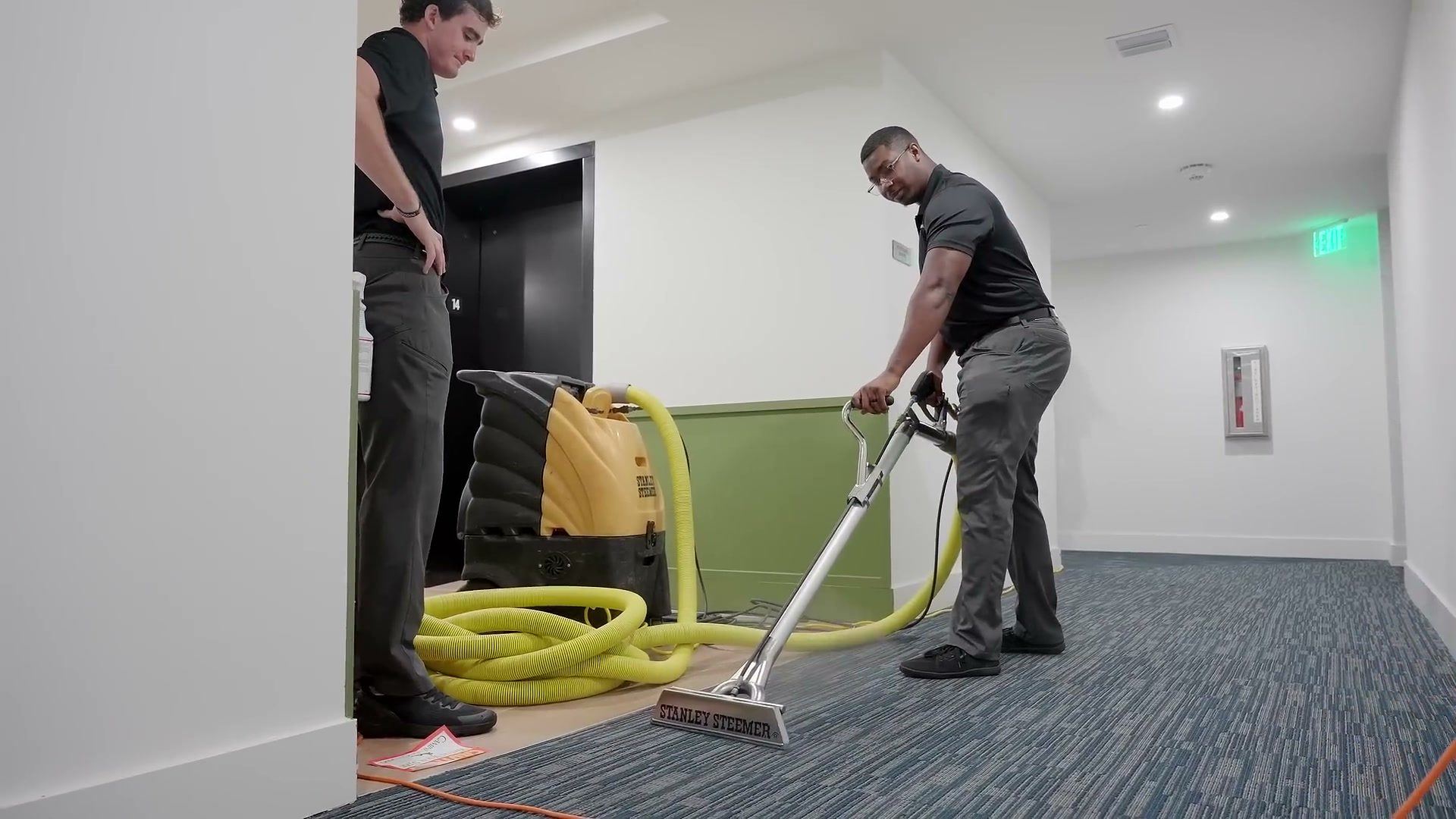
Mold? Call (888) 700-4894.
The emergency line is answered 24 hours a day, 7 days a week.